Skip to content
Touche Flooring
  • Home
  • Floor Sanding and Restoration
    • What Restoration Includes
    • Repairs
    • Gap Filling
    • Sanding Process
    • Staining
    • Oil Vs Lacquer
    • Dust Control
    • Faq’s
    • Before & After Examples
    • Enquiry
  • Floor Installation
    • Wood Floor Installation
    • LVT Installation
  • About
    • David’s Story
    • Company Values
    • Service Areas
  • Contact
  • HOME
  • FLOOR SANDING & RESTORATION
    1930s house before wood floor fitting touche flooring

    What Restoration Includes

    1930s home with wood floor sanding equipment

    Repairs

    Gap Filling

    Gap Filling

    close up on a wood floor buffer in a 1930s home touche flooring

    Sanding Process

    wood floor being stained touche flooring

    Staining

    17907

    Oil vs Lacquer

    wood flooring room shot touche flooring

    Dust Control

    shadow shot on a room with wood flooring touche flooring

    FAQs

    before and after wood floor sanding touche flooring

    Before & After Examples

    close up on a lagler machine touche flooring

    Enquiry

  • FLOOR INSTALLATION
    Davids Story

    Wood Floor Installation

    LVT Installation Detail

    LVT Installation

  • OUR WORK
  • ABOUT
    Gap Filling

    David’s Story

    1930s wood herringbone laid out touche flooring

    Company Values

    close up on a wood floor buffer in a 1930s home touche flooring

    Service Areas

    close up on shiny herringbone wood flooring touche flooring

    Contact Us

WhatsApp Us

Author: admin

Commercial Floors That Take a Beating: Choosing Between Sanding, Repair and Replacement

Featured image for Commercial Floors That Take a Beating: Choosing Between Sanding, Repair and Replacement

A worn commercial timber floor does not always need replacing. The right decision depends on the condition of the boards, the subfloor, moisture levels, previous repairs and how much disruption the business can allow.

Patchy Wood Floor Colour After Refinishing: What Usually Causes It

Featured image for Patchy Wood Floor Colour After Refinishing: What Usually Causes It

A freshly refinished timber floor should look consistent, but patchiness can appear for a few different reasons. Some are normal during curing; others point to preparation or application problems that need correcting.

Flooring in a 1930s House: What Makes These Floors Different to Work With?

Featured image for Flooring in a 1930s House: What Makes These Floors Different to Work With?

1930s houses often hide a mix of original timber flooring, later coverings and altered subfloors. Here’s what usually affects restoration, repair and new installation decisions.

Oil, lacquer or hardwax oil? Choosing a finish that suits the floor and the room
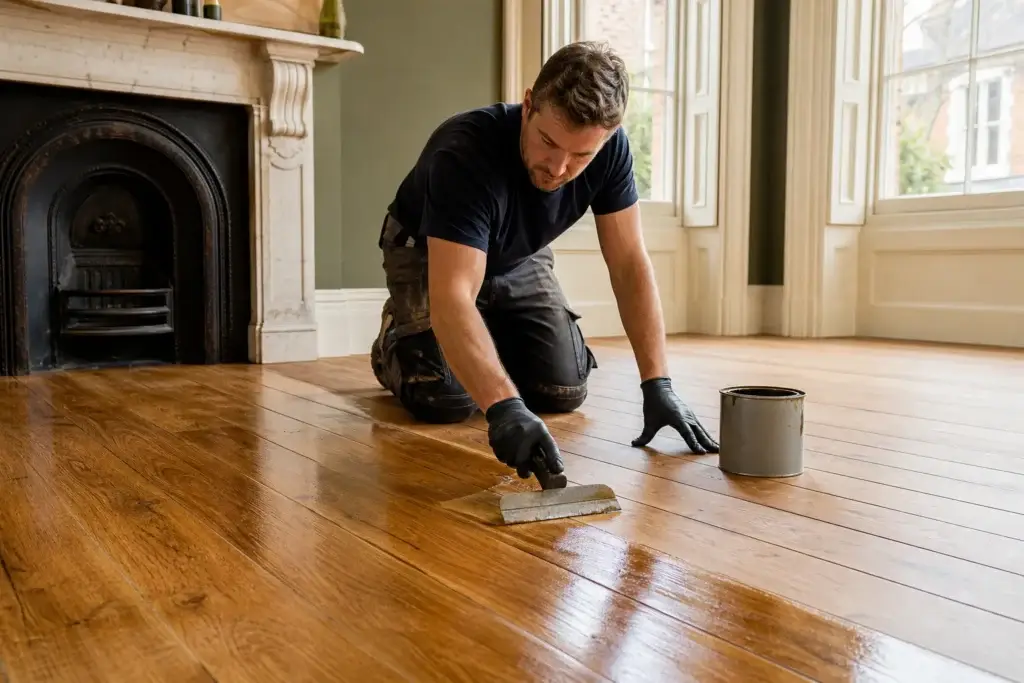
Featured image for Oil, lacquer or hardwax oil? Choosing a finish that suits the floor and the room

Oil, lacquer and hardwax oil all finish timber differently. The right choice depends on the floor, the room and how you want it to wear over time.

Loose parquet blocks: what causes them and what a proper repair involves

Featured image for Loose parquet blocks: what causes them and what a proper repair involves

Loose or hollow-sounding parquet does not always mean the whole floor needs replacing. The right repair depends on why the blocks have moved, what is happening underneath them and whether the surrounding floor is still sound.

Original floorboards under carpet: what you can usually expect to find
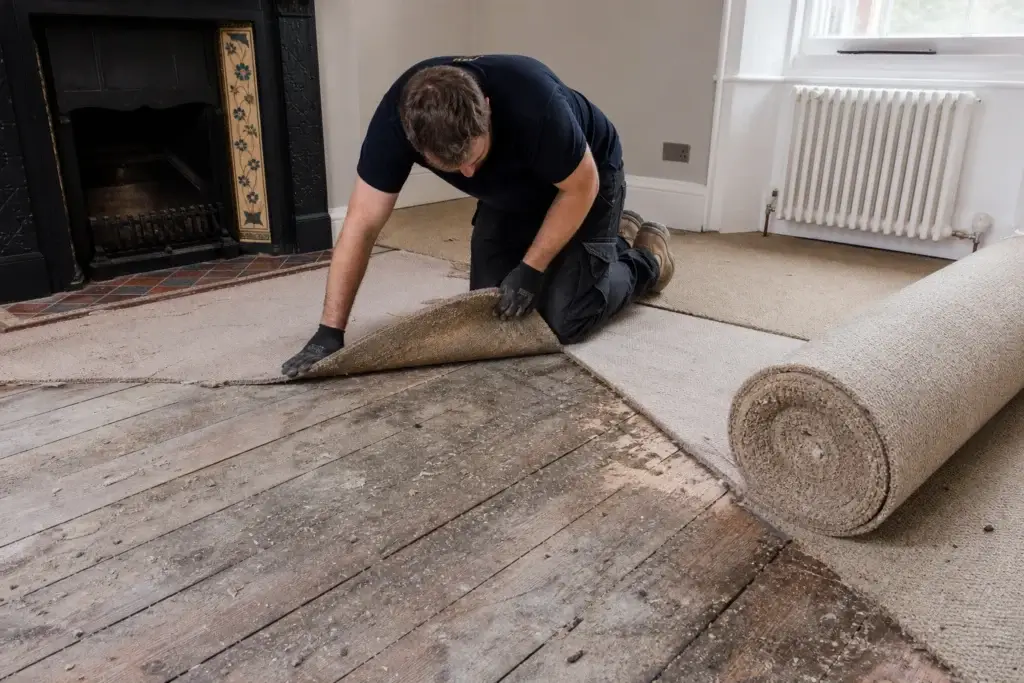
Featured image for Original floorboards under carpet: what you can usually expect to find

Lifting carpet in a period property can uncover anything from well-preserved pine boards to stained, patched or previously repaired timber. Here’s what homeowners usually find, and what it may mean for restoration.

When a Floor Finish Starts to Look Patchy: What It Usually Means
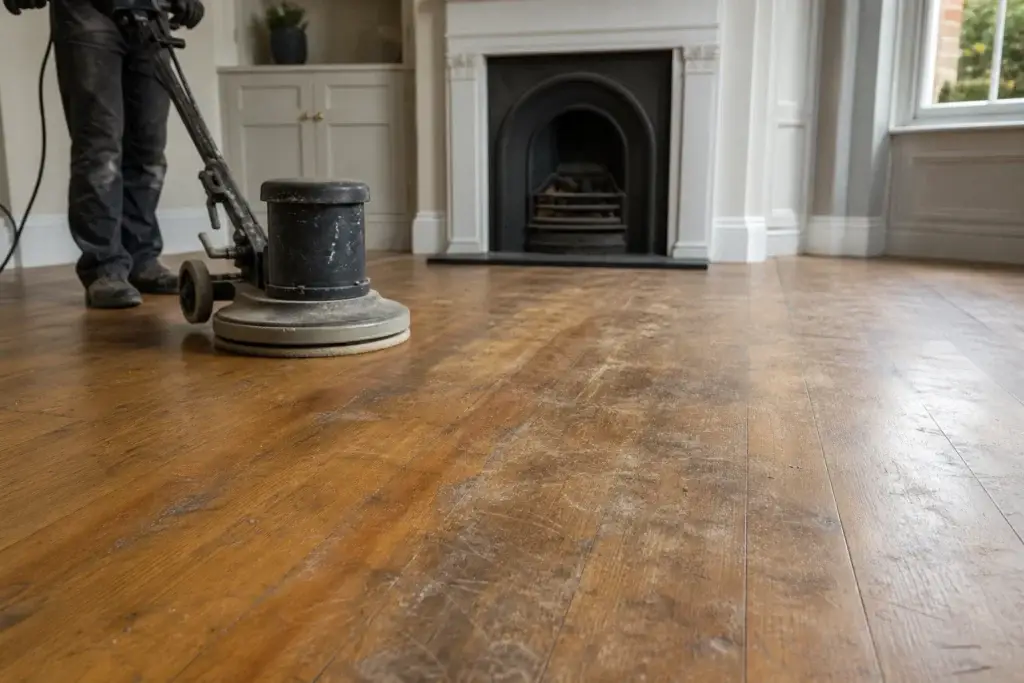
Featured image for When a Floor Finish Starts to Look Patchy: What It Usually Means

Patchiness in a wood floor finish is often a sign of uneven wear rather than a full flooring problem. The key is knowing whether the issue is surface-level, finish-related or a sign the floor needs refinishing.

Links:

Advice & Learning Hub

Our Work

Maintenance

Areas We Cover

FAQ’s

Contact Info:

Phone: 0203 633 5893

WhatsApp: 07885 702609

info@toucheflooring.co.uk

Socials:

Instagram Facebook-f X-twitter Youtube

© 2026 | All Rights Reserved by Touché Flooring

  • Cookie Policy
  • Privacy Policy
  • Terms & Conditions